Circular Economy Fund — ORMAT 2026 (Materials Recycling Target)
The ORMAT 2026 Circular Economy Fund supports companies of all sizes in the recycling chain for studies, tests and investments covering plastics, textiles, metals and batteries, wood, paper and cardboard, glass and mineral materials; the campaign runs from 24 April to 31 December 2026.
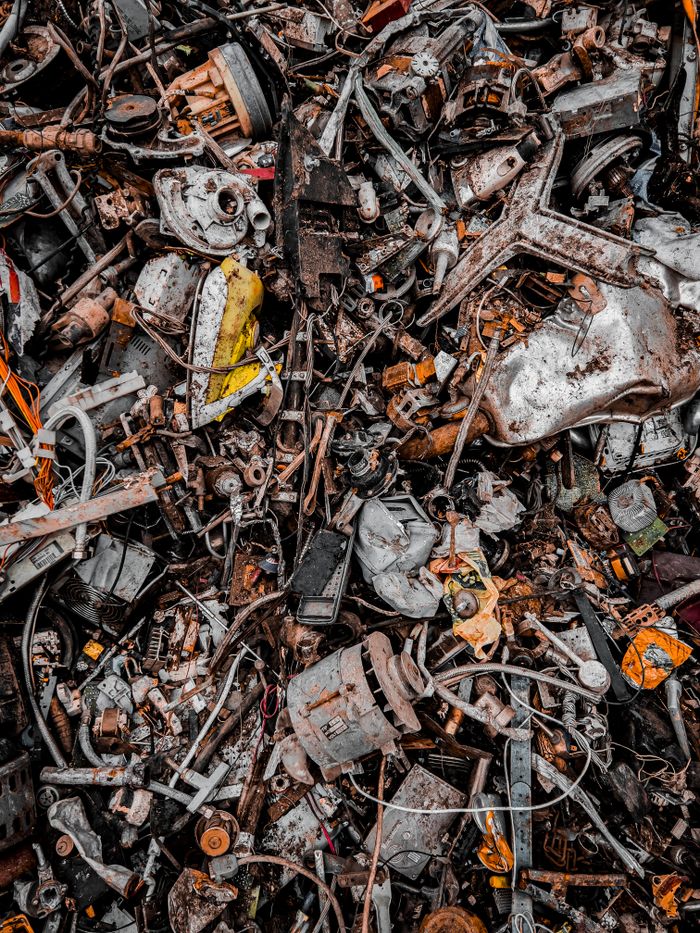
ORMAT 2026 finances projects that make a concrete improvement to recycling chains: advanced sorting of waste, production of recycled raw materials, incorporation of these materials into products, and battery refurbishment or remanufacturing. The scheme prioritises operations that are still underdeveloped and offer a significant environmental gain relative to the public aid.
Funded by ADEME
Run a personalised scan to identify the public grants and funding your company may be able to access.
Who can apply
Companies of all sizes in the recycling value chain. Activities must concern the priority materials and operations defined by ORMAT 2026, in the regions and areas listed by ADEME.
Eligibility conditions
The project must fit one of the scheme’s strands and deliver a relevant environmental gain per euro of aid. The 2026 scope has shifted towards priority operations that are still underdeveloped; the eligibility of materials, process, investments and costs must be checked in the official framework.
What the scheme covers
Strand 1: assessments, studies, performance tests and trials. Strand 2: investment to create or increase capacity, or to improve the incorporation rate of recycled raw materials, the quality of the materials produced or process performance. Target materials include plastics, textiles, metals and batteries, wood, paper and cardboard, glass and mineral materials.
Amount and funding terms
Rates and caps depend on the material, the strand (studies/tests/trials or investment) and the eligible costs set out in the ORMAT 2026 conditions. The public page gives no single rate for all projects; use the document “ORMAT – Conditions d’éligibilité et de financement – 2026” to calculate the aid.
How to apply
Read the ORMAT 2026 conditions before preparing the application, identify the material and priority operation, then document the volumes processed, the quality of recycled materials, outlets, the environmental gain and the costs. The 2026 relaunch works on a case-by-case basis: contact ADEME to validate the project and follow the application procedure.
Timeline
Running from 24 April to 31 December 2026. The 2026 scheme operates case by case; prior contact with ADEME is needed to check the project’s priority and the applicable financial conditions.
Key facts
- Funder
- ADEME
- Type of funding
- Grant
- Status
- Ongoing
- Geographic scope
- 21 régions
Frequently asked questions
Which companies can benefit from ORMAT?
Companies of all sizes in the recycling value chain.
Which materials are covered?
Plastics, textiles, metals and batteries, wood, paper and cardboard, glass and mineral materials.
Which types of project are supported?
Studies, assessments, tests, trials and investments that improve advanced sorting, the production or incorporation of recycled raw materials, and battery refurbishment.
When should I apply?
The 2026 campaign is shown as open from 24 April to 31 December 2026, on ADEME’s case-by-case basis.
Official source
Official ADEME page ↗(ademe_scraper)Applications are made from the official source (usually in French).
Other grants of type “grant”
Other grants from ADEME
Related needs and funding
Competitive calls for projects
Ecological transition and CSR
Capital and investment funds

Support and acceleration
Diagnostics and audits

Takeover and transfer

Discover the funding that fits your company
Check your eligibility for public grants
This scheme is only one of the grants your company may be able to access. Run a personalised scan to identify the funding opportunities that match your activity, location and project.
See the opportunities identified by the scan, then access your personalised report.